

Start with real numbers: track income, fixed costs, and variable spending, then assign every dollar a purpose. Review weekly so small gaps do not become debt.

Your monthly premium depends on your driving record, vehicle type, location, coverage limits, deductible, credit profile, mileage, and available discounts.

Home insurance review: Verify dwelling limits, personal property coverage, deductibles, exclusions, and liability protection annually-especially after renovations or major purchases.

Cut bills quietly: audit subscriptions, negotiate rates, enable autopay discounts, bundle insurance, and use smart plugs to reduce waste-no major lifestyle changes required.
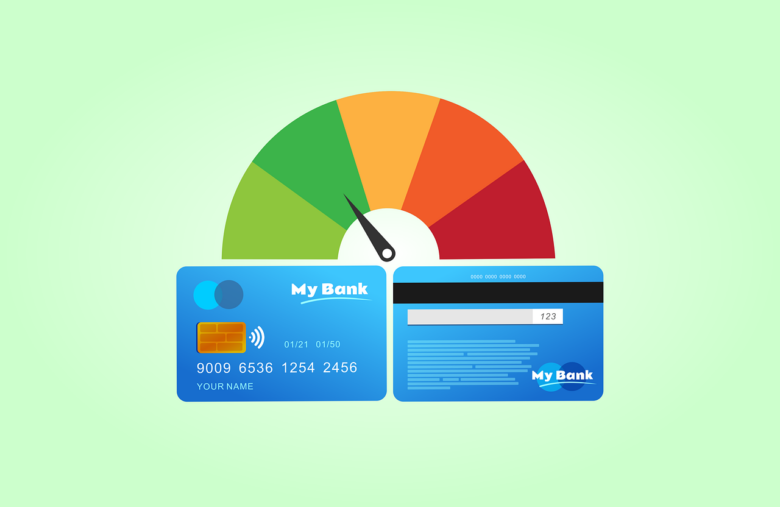
Credit scores summarize your borrowing history, payment habits, and debt levels, helping lenders set approval odds, interest rates, and loan terms.

Compare loan offers by reviewing APR, fees, term length, and monthly payment. Choose the option that fits your cash flow, not just the lowest rate, to protect your budget.

Compare financial products by reviewing fees, rates, risks, terms, and flexibility. Match each option to your goals and check total costs before committing.

Emergency funds should cover 3-6 months of essential expenses, adjusted for job stability, dependents, and debt. Start small, automate savings, and review annually.

Life insurance pays beneficiaries after death, while health insurance covers medical costs during life. Both protect finances, but address different risks.

Before applying for a personal loan, review your credit score, income stability, fees, interest rate, repayment term, and total cost to ensure the loan fits your budget.